US President Donald Trump has publicly expressed growing frustration with Iran’s latest peace proposal, indicating that the terms put forward by Tehran remain far from acceptable to Washington. Speaking candidly, Trump remarked that “they’re asking for things I can’t agree to,” underscoring the persistent gap between the two sides despite ongoing diplomatic engagement.
His comments suggest that the negotiations have reached a delicate stage, with expectations on both sides remaining fundamentally misaligned. While Iran appears to be pushing for concessions—possibly in areas such as sanctions relief, security guarantees, or regional influence, along with the lifting of the blockade in the Strait of Hormuz—the United States is wary of making commitments that could weaken its strategic position in the Middle East.
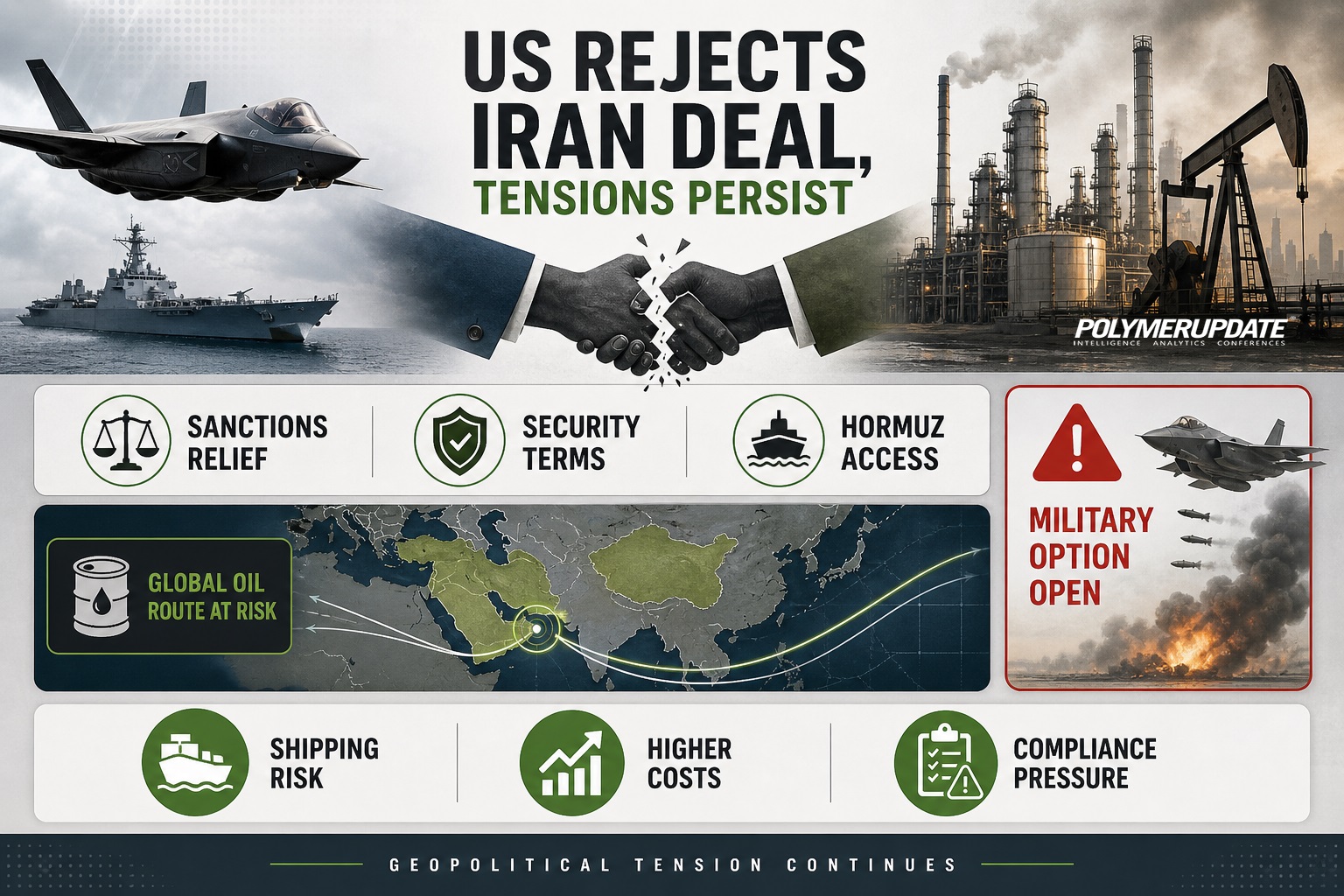 US wants core issues addressed
Trump also cautioned against rushing into a premature resolution of the conflict, warning that a hastily brokered agreement could prove fragile and short-lived. Drawing on past geopolitical experience, he suggested that an early settlement without addressing core issues could lead to renewed hostilities “in three more years.”
This reflects a broader concern within the US administration that any deal must be comprehensive and durable, rather than merely a temporary pause in tensions. The emphasis, therefore, appears to be on securing a long-term framework that prevents Iran from reasserting destabilising activities in the region, while also safeguarding key US interests and those of its allies.
Iran weakened: TrumpDonald Trump asserted that the United States was “doing very well” in the conflict, claiming that sustained military pressure and a prolonged naval blockade had significantly weakened Iran’s position. He argued that Tehran was now eager to reach a settlement, describing the country as having been “decimated” by months of hostilities and economic strain, thereby reinforcing Washington’s belief that its strategy is yielding results.
In a subsequent post on Truth Social, Trump struck a more sceptical tone, indicating that it was difficult to envision Iran’s proposal being acceptable in its current form. He contended that Tehran had “not yet paid a big enough price for what they have done to humanity and the world over the last 47 years,” signalling that the US administration continues to view any agreement through the lens of broader historical grievances and accountability beyond the immediate conflict.
According to reports, Tehran’s 14-point plan includes key demands such as the lifting of the US naval blockade, compensation in the form of war reparations, and the release of Iranian assets frozen under international sanctions. These conditions highlight the wide gap that remains between the two sides, with Iran seeking substantial economic relief and restitution, while Washington appears reluctant to concede without securing more stringent commitments in return.
Fresh warningsSpeaking to reporters in Florida before boarding Air Force One on Saturday, Trump made it clear that military options remain firmly on the table. He noted that he had been briefed on the “concept of the deal” and was awaiting the full details of the proposal. At the same time, he issued a pointed warning that Washington could resume air strikes if Tehran “misbehaves” or undertakes actions deemed provocative, underscoring the fragile nature of the diplomatic process and the continued reliance on military pressure as leverage. Trump initially announced a temporary ceasefire on April 7 for two weeks, which was later extended by three months.
At the same time, Washington has intensified its pressure tactics beyond the negotiating table. US authorities have issued a stern warning to global shipping companies, cautioning that vessels paying tolls or transit fees to Iran for passage through the strategically critical Strait of Hormuz could be exposed to US sanctions. This move signals a tougher and more expansive enforcement approach aimed at curbing Iran’s ability to generate revenue from one of the world’s most vital transit chokepoints.
The Strait of Hormuz handles a significant share of global crude oil shipments, making it a focal point for both economic and security considerations. By targeting maritime payments, Washington is effectively attempting to tighten financial pressure on Tehran while also deterring international actors from engaging in transactions that could be perceived as supporting Iran.
Compliance risks intensifyThe warning also introduces a new layer of uncertainty for global shipping and energy markets. Shipping companies, insurers, and oil traders now face heightened compliance risks, as even routine transit arrangements could come under scrutiny. This could lead to higher freight costs, increased insurance premiums, and greater logistical complexities, particularly if operators choose to reroute vessels or avoid the region altogether.
Such developments may have broader implications for global oil supply chains, especially at a time when energy markets are already sensitive to geopolitical disruptions. The US stance, therefore, not only reinforces its strategic posture toward Iran but also amplifies the economic ripple effects of the ongoing conflict.
DILIP KUMAR JHA
Editor
Polymerupdate