The Consumer Price Index (CPI)-based retail inflation in the United States accelerated for the third consecutive month in May 2026, reaching its highest level in more than three years as a sharp surge in energy prices linked to the Iran conflict pushed consumer costs higher. While the latest data underscored the vulnerability of the world's largest economy to geopolitical disruptions, a softer reading in underlying inflation offered some reassurance that broader price pressures remain relatively contained. The three-year high retail inflation underpinned a major headwind for the citizens in the United States.
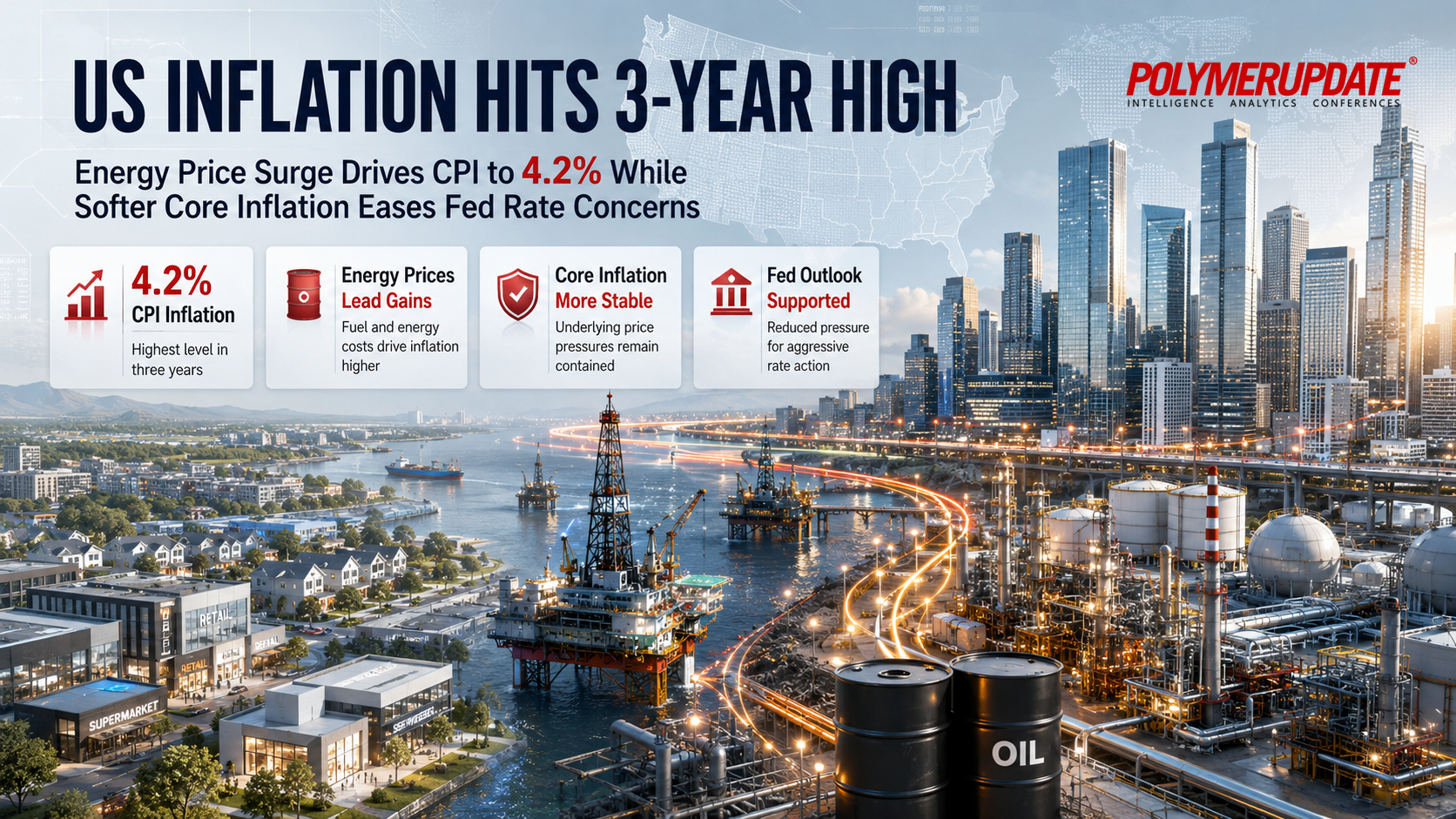
According to the latest data, the US annual consumer price inflation rate accelerated to 4.2 percent year-on-year (yoy) in May 2026 from 3.8 percent in April, in line with market expectations and marking the highest level since April 2023. The increase represents the third consecutive monthly rise in headline inflation, largely driven by a sharp surge in energy prices following disruptions in global oil markets linked to geopolitical tensions in the Middle East.
On a monthly basis, the Consumer Price Index (CPI) rose 0.5 percent, matching forecasts, with energy-related costs accounting for nearly 60 percent of the overall increase. The data underscore the significant impact of higher fuel prices on consumer inflation, even as underlying price pressures across other sectors remained comparatively moderate.
 Triggers
The inflation spike was largely driven by a dramatic increase in fuel costs following disruptions in global energy markets amid escalating tensions involving Iran. Energy prices surged 23.5 percent year-on-year, significantly higher than April's 17.9 percent increase. Gasoline prices recorded the sharpest jump, soaring 40.5 percent compared with a 28.4 percent rise in the previous month. Fuel oil prices climbed 58.9 percent, further intensifying pressure on household budgets and transportation costs.
Higher fuel prices also contributed to increases in related sectors. Airline fares rose 2.7 percent during the month, reflecting elevated operating costs for carriers. Food inflation accelerated to 3.1 percent from 2.3 percent in April, while shelter costs, a key component of household expenditure, edged up to 3.4 percent from 3.3 percent. Despite the strong headline inflation reading, economists found comfort in the performance of core inflation, which excludes volatile food and energy prices.
“While US headline inflation was lifted by sharp gasoline and airline fare increases, other components were better behaved, leading to a softer-than-anticipated core inflation print. June's inflation rate should be pulled lower by a reversal in gasoline, but inflation remains vulnerable to ongoing volatility in energy costs,” said James Knightley, Chief Economist, ING Economics.
Softer core inflationCore consumer prices increased by 0.2 percent month-on-month and 2.9 percent year-on-year, slightly below market expectations and significantly lower than April's 0.4 percent monthly gain. The softer core reading suggests that the energy shock has not yet triggered widespread inflationary spillovers across the broader economy. Prior to the release, many analysts had feared that surging fuel prices could rapidly feed into transportation, manufacturing and service-sector costs. Instead, most underlying categories remained relatively stable.
Despite the sharp increase in headline inflation, several key components showed signs of moderation, suggesting that underlying price pressures remain relatively contained. New vehicle prices declined by 0.3 percent during May, reflecting easing supply-chain constraints and softer consumer demand in the auto sector. Meanwhile, housing costs, which account for the largest share of the Consumer Price Index (CPI) basket, rose by a modest 0.2 percent month-on-month. Given housing's substantial weighting and its role as a critical gauge of long-term inflation trends, the relatively subdued increase is likely to provide some reassurance to policymakers that broader inflationary pressures are not accelerating as rapidly as headline figures might suggest.
April data distortionsAnalysts noted that part of April's unusually strong housing inflation reflected technical factors related to data collection disruptions caused by last year's federal government shutdown. Those distortions appear to have largely unwound in May, helping to stabilize the core inflation measure. Financial markets reacted calmly to the inflation report. Treasury yields moved slightly lower, while expectations for additional monetary tightening by the Federal Reserve eased marginally. Investors interpreted the data as evidence that although energy prices remain a significant risk, broader inflation dynamics have not deteriorated substantially.
Looking ahead, economists expect June inflation to benefit from a reversal in gasoline prices. National average gasoline prices have already retreated from approximately US$4.50 per gallon during May to around US$4.15 per gallon, suggesting that energy-related inflation could moderate if geopolitical tensions do not escalate further. Beyond energy, several structural factors may also help contain inflation over the coming months. Private-sector rental surveys from major housing platforms indicate slowing rent growth and even outright declines in certain states. Given housing's large share in the inflation basket, easing rental costs could exert a meaningful downward influence on future inflation readings.
Import tariff breatherTrade policy developments may also provide some relief. Economists estimate that tariffs have been adding nearly one percentage point to core inflation. However, following recent judicial rulings and subsequent adjustments to tariff policies, many businesses are expected to benefit from lower import costs and tariff refunds. These savings could partially offset rising transportation and energy expenses.
Another important factor is the labour market. Wage growth has continued to moderate, reducing one of the most significant cost pressures facing American businesses. Slower wage increases could help prevent a broader inflationary cycle from taking hold, even if energy prices remain volatile.
Meanwhile, separate fiscal data released by the US Treasury showed that the federal government recorded a budget deficit of US$293 billion in May, narrower than the US$316 billion shortfall reported a year earlier but wider than analysts had anticipated. Government spending totalled US$628 billion during the month, led by Social Security, Medicare, health programmes and net interest payments on federal debt.
Declining revenue collectionThe fiscal picture also remains a source of concern for policymakers. US government revenue collections fell to US$335 billion in May from US$371 billion in the same month last year, reflecting weaker receipts from both individual and corporate income taxes. Although the monthly budget deficit narrowed to US$293 billion from US$316 billion a year earlier, the decline in revenues highlights the challenges facing federal finances amid slower tax collection growth and elevated interest obligations. For the first eight months of fiscal year 2026, the cumulative budget deficit widened to US$1.25 trillion, underscoring the growing strain on public finances as higher borrowing costs continue to inflate debt-servicing expenses.
Taken together, the latest inflation and fiscal data present a mixed picture of the US economy. On one hand, the sharp rise in headline inflation reflects the impact of energy market disruptions caused by geopolitical tensions in the Middle East, particularly concerns over crude oil supplies and transportation costs. On the other hand, the relatively subdued core inflation reading suggests that higher fuel prices have not yet translated into broad-based price pressures across the wider economy. Moderating housing costs, easing vehicle prices and slower wage growth indicate that underlying inflationary trends remain more stable than the headline figures alone would imply.
For the Federal Reserve, the data reinforce the case for a measured and cautious policy stance. While inflation remains well above the central bank's 2 percent target, the absence of significant spillover effects from higher energy prices reduces the immediate need for additional interest rate hikes. Policymakers are likely to remain vigilant, however, given the uncertain geopolitical environment and the potential for renewed volatility in energy markets. The future path of oil prices, developments in the Middle East and the extent to which energy costs feed into broader consumer prices will remain key factors shaping the inflation outlook and the Fed's policy decisions in the months ahead.
DILIP KUMAR JHA
Editor
dilip.jha@polymerupdate.com