
Click the icon to add a specified price to your Dashboard list. This makes it easy to keep track on the prices that matter most to you.

As Taiwan continues to play a critical role in the global electronics value chain, the rapid advancement of AI is driving new requirements for electronic components and system design.
As Taiwan continues to play a critical role in the global electronics value chain, the rapid advancement of AI is driving new requirements for electronic components and system design.
During COMPUTEX 2026, Covestro held a seminar themed “Grab the development trend of material effects in AI era” and showcased its material solutions, drawing strong interest from industry attendees. The seminar highlighted how these innovations can power next-generation product development, particularly in AI data center servers, thermal management solutions and outdoor network equipment.
"The Material Effect is not only about what materials can do in a product, but also about how material expertise can support customers across the innovation journey,” said Lily Wang, President of Engineering Plastics at Covestro. “By combining high-performance polycarbonates, sustainable material choices, application development and global supply capabilities, Covestro helps customers bring AI-era electronics from idea to scale." 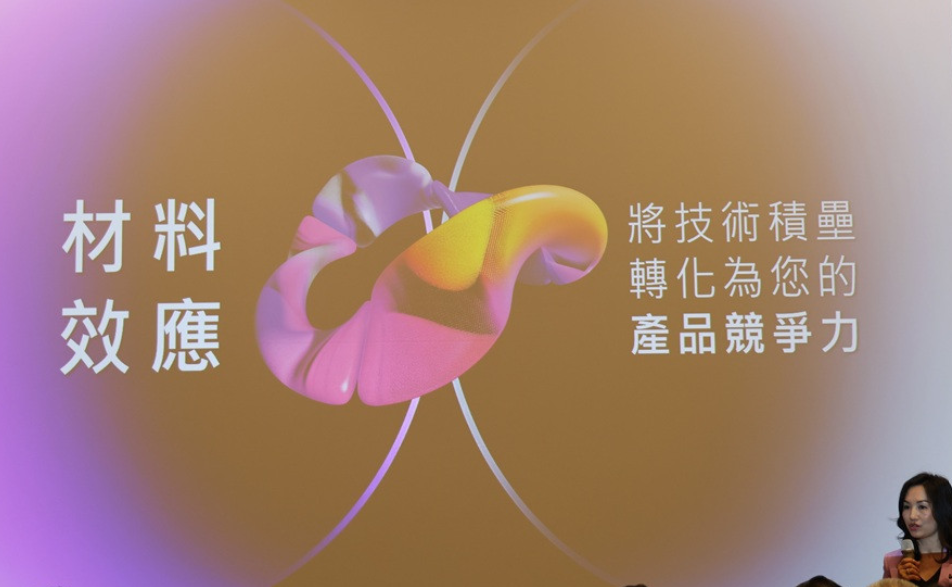
Strengthening AI Data Center Server Performance
As AI applications scale, the hardware systems behind computing power are facing more demanding operating conditions. In data centers and supercomputing servers, higher power density and more compact architectures are raising requirements for flame retardancy, thermal stability, structural strength and lightweight design.
Within server and data-storage systems, components such as air ducts, HDD/SSD trays, front bezels and light guides must maintain tight tolerances within compact layouts while enduring repeated maintenance cycles. These demands call for materials that combine durability, flame retardancy, heat resistance and excellent processability. 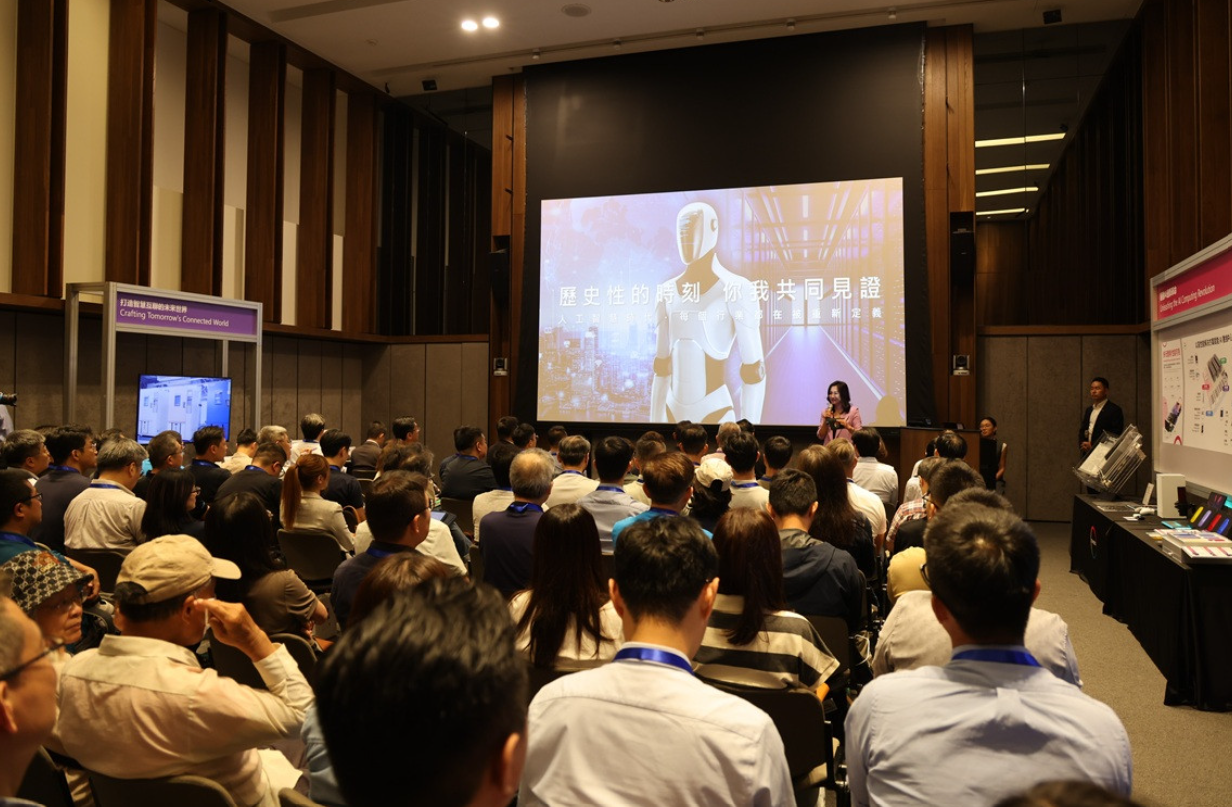
Covestro’s polycarbonate solutions help meet the requirements of demanding server applications while enabling thin-wall structures and complex geometries. With bio-circular attributed and post-consumer recycled (PCR) polycarbonates, Covestro also supports lower-carbon material choices for AI infrastructure while maintaining high performance.
Unlocking Smarter Thermal Management
As AI-era electronics and connected devices become more powerful, compact and always-on, thermal management is becoming central to system performance and product design.
Higher power density can create heat challenges within limited space, requiring materials that support heat dissipation while enabling lightweight and more integrated component designs. For applications such as next-generation Wi-Fi routers, Makrolon® TC polycarbonate combines thermal management, dimensional stability, lightweighting and flame retardancy to help support compact thermal designs.
Compared with metal heat sinks or multi-part thermal solutions, this material-based thermal management approach for electronic components can simplify production and finishing, helping optimize total cost while unlocking greater design potential.
Extending Resilient Connectivity Outdoors
As AI-era applications place greater demands on connectivity, network infrastructure for telecommunications and connectivity is extending into more complex outdoor environments. Outdoor network equipment, including 5G base stations, satellite terminals and outdoor Wi-Fi devices, must maintain signal performance and device protection in harsh outdoor environments.
Under extreme temperature fluctuations, especially in low-temperature conditions, traditional housings for network devices can become brittle and prone to fractures. Covestro’s low-temperature impact-resistant polycarbonate solutions help maintain stable signal transmission under extreme temperature fluctuations from -40°C to 85°C and in high-salt environments.
With strong dimensional stability, stable dielectric performance across a wide range of high- and low-frequency bands and high resistance to solar radiation, these materials support durable device and antenna housings for harsh outdoor use, helping realize reliable, long-term operation in outdoor network and telecom applications.
About Covestro:
Covestro is one of the world’s leading manufacturers of high-quality polymer materials and their components. With its innovative products, processes and methods, the company helps enhance sustainability and the quality of life in many areas. Covestro supplies customers around the world in key industries such as mobility, building and living, as well as the electrical and electronics sector. In addition, polymers from Covestro are also used in sectors such as sports and leisure, telecommunications and health, as well as in the chemical industry itself.
The company is geared completely to the circular economy. In addition, Covestro aims to achieve climate neutrality for its Scope 1 and Scope 2 emissions by 2035, and the Group’s Scope 3 emissions are also set to be climate neutral by 2050. Covestro generated sales of EUR 12.9 billion in fiscal year 2025. At the end of 2025, the company had 46 production sites worldwide and employed approximately 17,600 people.
Note: This story has not been edited by The Polymerupdate Editorial team and is auto-generated from a syndicated feed.
